How much water do you really need?
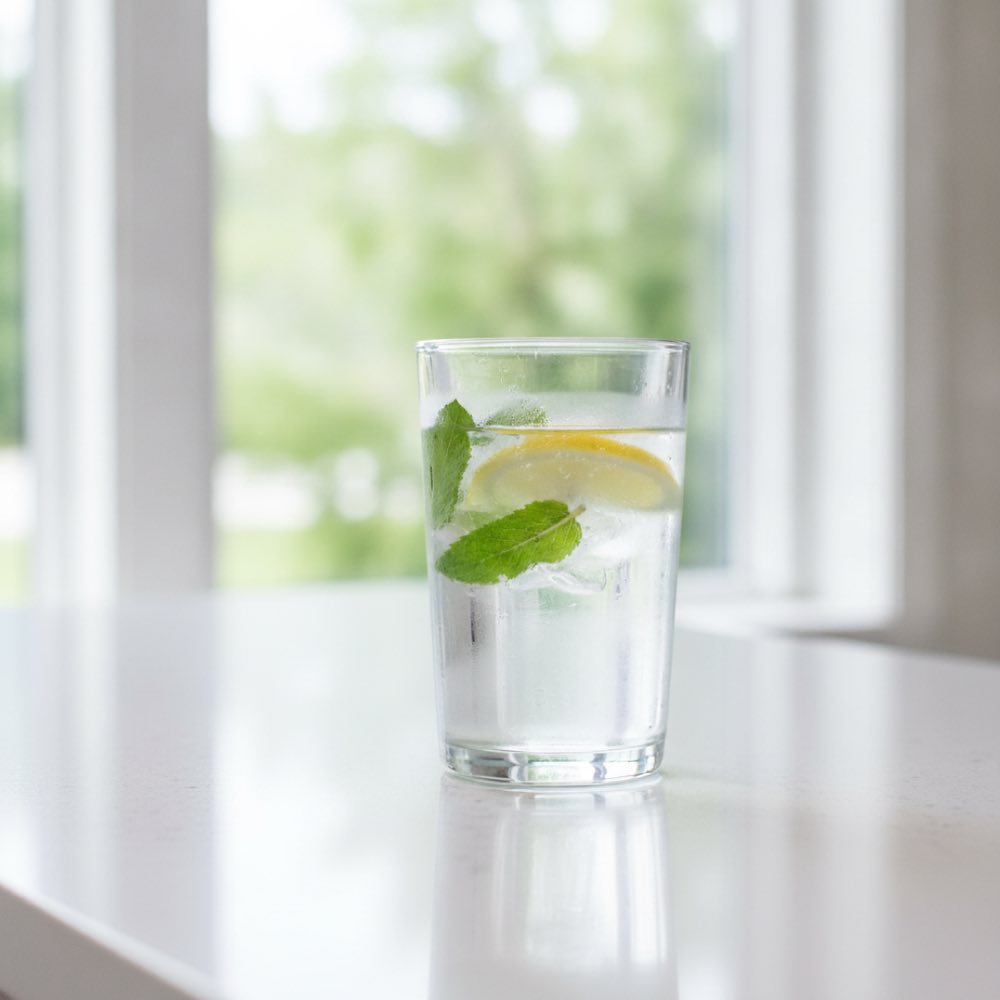
Few wellness rules are repeated as confidently as "drink eight glasses of water a day." It's tidy, memorable and easy to track, but it was never a precise prescription for everyone. The truth about hydration is more flexible and, happily, a lot less stressful to follow once you know what to actually pay attention to.
Where the "eight glasses" rule falls short
The eight-glasses guideline is a rough rule of thumb, not a law of nature. People come in different sizes, move different amounts and live in different climates, so a number that fits one person can be too much or too little for another. Someone working outdoors in summer heat simply has different needs than someone at a cool desk all day.
The rule also quietly ignores everything else you drink and eat. Water isn't the only thing that hydrates you, so counting plain glasses alone tends to undersell how much fluid you're really taking in over a day. A single fixed target was always going to be a blunt instrument.
Let thirst and food do some of the work
For most healthy adults, thirst is a reliable everyday guide. Your body is good at signaling when it needs fluid, so sipping when you feel thirsty, rather than forcing a rigid quota, covers a lot of ground. Keeping water within easy reach makes it simple to respond to that cue instead of overriding it.
Food contributes more than people expect, too. Plenty of everyday meals and snacks carry a surprising amount of water:
- Fruits like watermelon, oranges and berries
- Vegetables such as cucumber, lettuce and tomatoes
- Soups, broths and stews
- Yogurt and other soft, moisture-rich foods
Simple signs you're well hydrated
Instead of chasing a number, watch how you feel and what your body shows you. Steady energy, a comfortable mouth and the absence of nagging thirst are all everyday signs that you're keeping up with your fluids. Pale, light-colored urine is another familiar, low-effort cue that things are on track.
It's also worth drinking a little extra around the moments that demand it, such as hot days, exercise or a long stretch of activity, when you naturally lose more fluid. Listen to those cues, lean on water-rich foods, and you can let go of the eight-glass scoreboard. Hydration was never meant to be a daily exam, just a habit you can feel.
This article is for general information only and is not medical advice. Always talk to a qualified healthcare professional before making changes to your diet, exercise or health routine.